Categories
Aircraft

Tamiya Mosquito B Mk.IV/PR Mk.IV

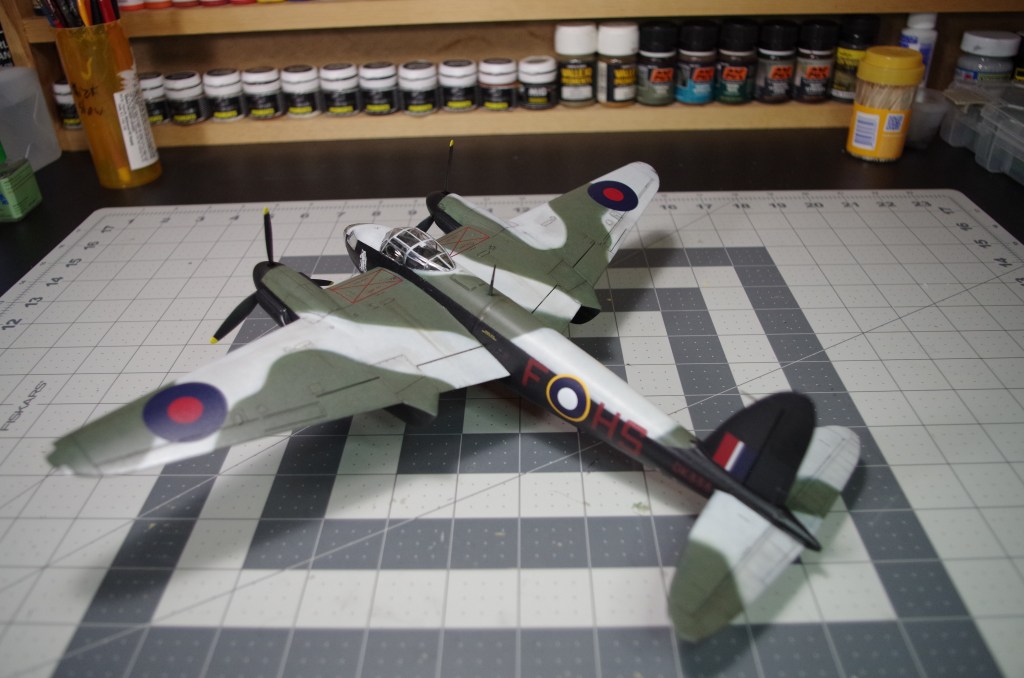
After wayyyyyy to long on the workbench Tamiya’s gem of a 1999 kit has finally vacated the table. In all honestly it’s been a slog finishing the Mossie. Not because of any issue with the build itself, but more so the lacking motivation to finish. I used Vallejo acrylics for the finish and tried out color modulation for the first time. A dark wash was applied over top a gloss coat as well as some various fuel and oil streaking effects from Mig.

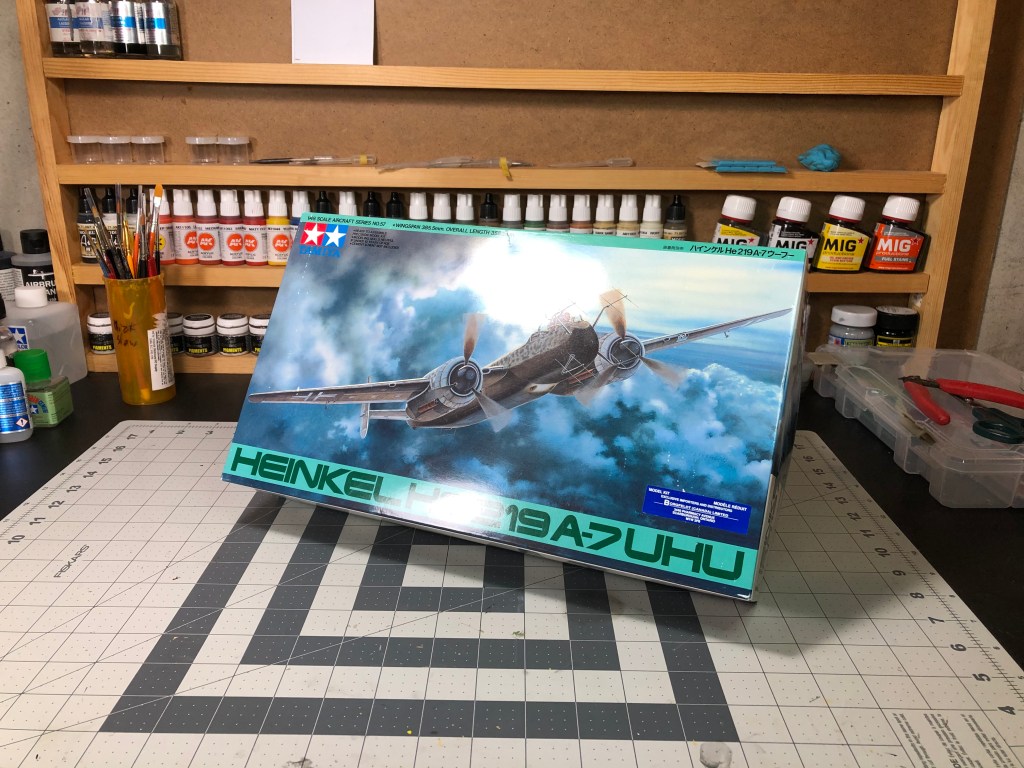
Now on to the Uhu!

Categories
Armor In Box Reviews

Trumpeter E-50 Flakpanzer In Box Review

I picked up Trumpeter’s Flakpanzer earlier this summer after it caught my eye in my LHS. I’m a huge sucker for Paper Panzers in general so I knew when I saw it that I has to pick it up, especially when it was on sale for only $40 CAD. Despite my enthusiasm for the subject it was clear to me that the kit was pretty simplistic overall and lacked detail found in newer kits. For a kit pushing 10 years however, my initial impression was that it was of acceptable quality for the modeller who isn’t afraid of re-doing weld seams or flame cuts.

Kit Features: 11/20

Suffice to say, the kit is pretty barebones. In terms of extra things added, Trumpeter includes a small photoetched fret and a copper wire for the tow cable. The kit doesn’t include any single link tracks or any other extra goodies for the builder. Because of the sparse accessories the kit’s rating in this category was quite limited. Only the inclusion of the metal wire saves the kit from a neutral 10/20 score.

Quality of Molding: 28/50

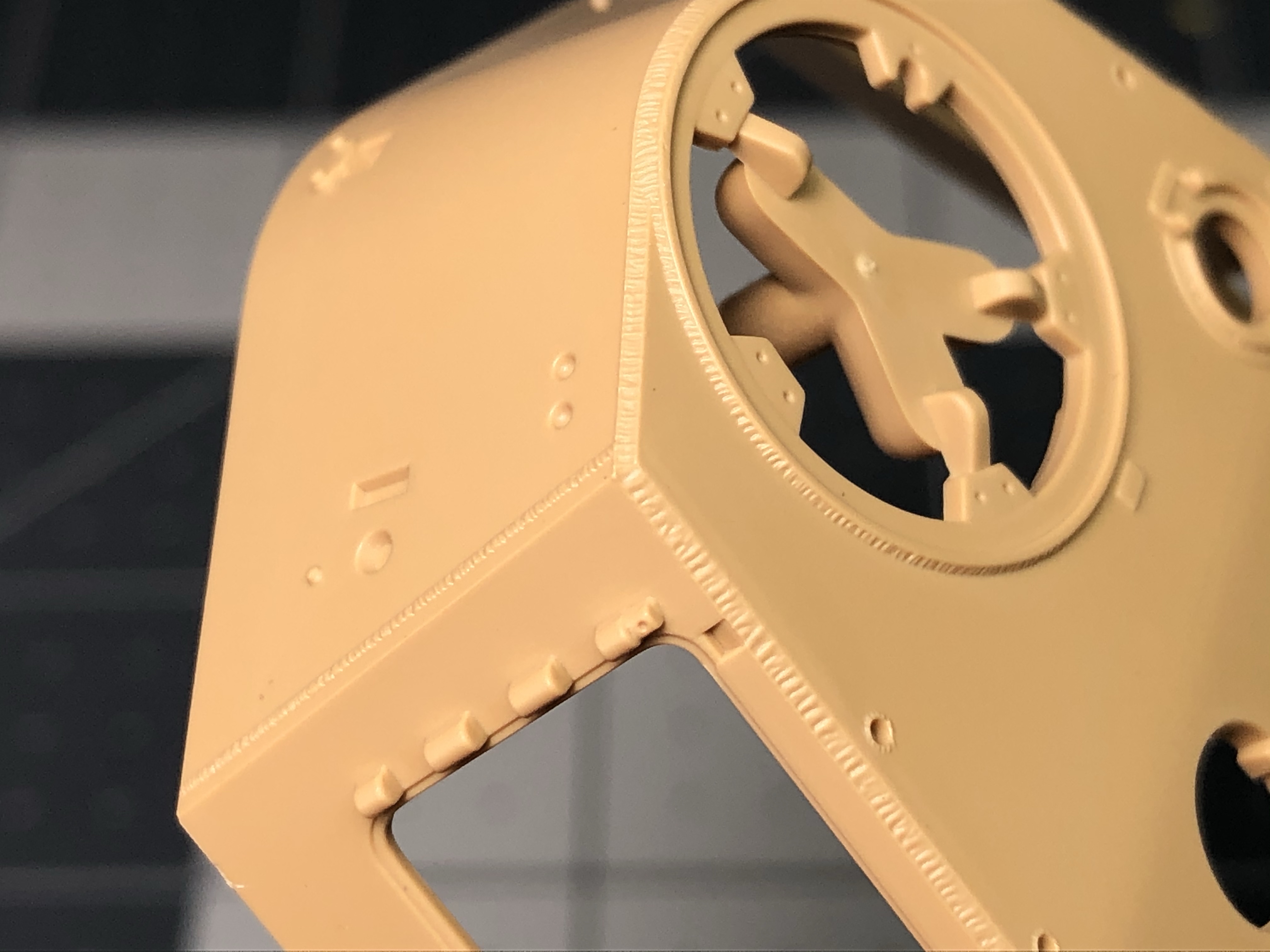
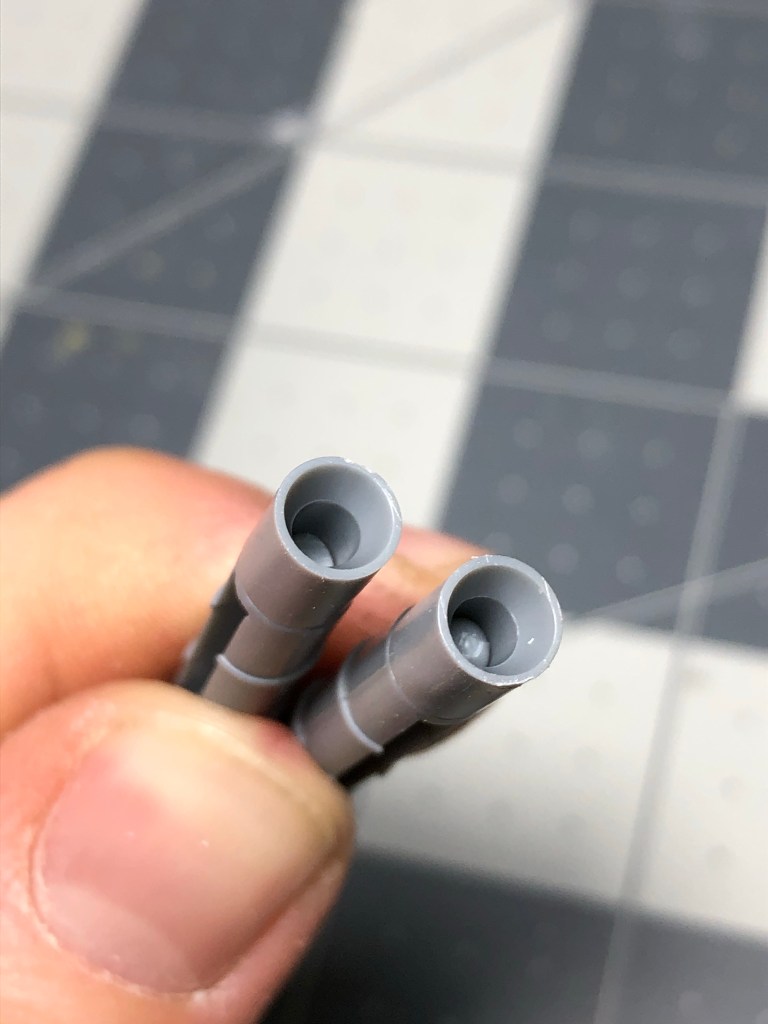
Put simply, it’s evident that the kit is a decade old. At first glance a lot of detail looks passable. There are weld seams, flame cuts, ect however after looking a bit closer it’s clear that the small details are lacking, especially when compared to modern releases. As with the kit features, the score here is somewhat low. The score is lowered further due to the fact that there were obvious molding errors on the hull as detailed in the photos included. If this kit were to be released in 2018 or 2019 then it would receive a score 10 to 15 points lower.

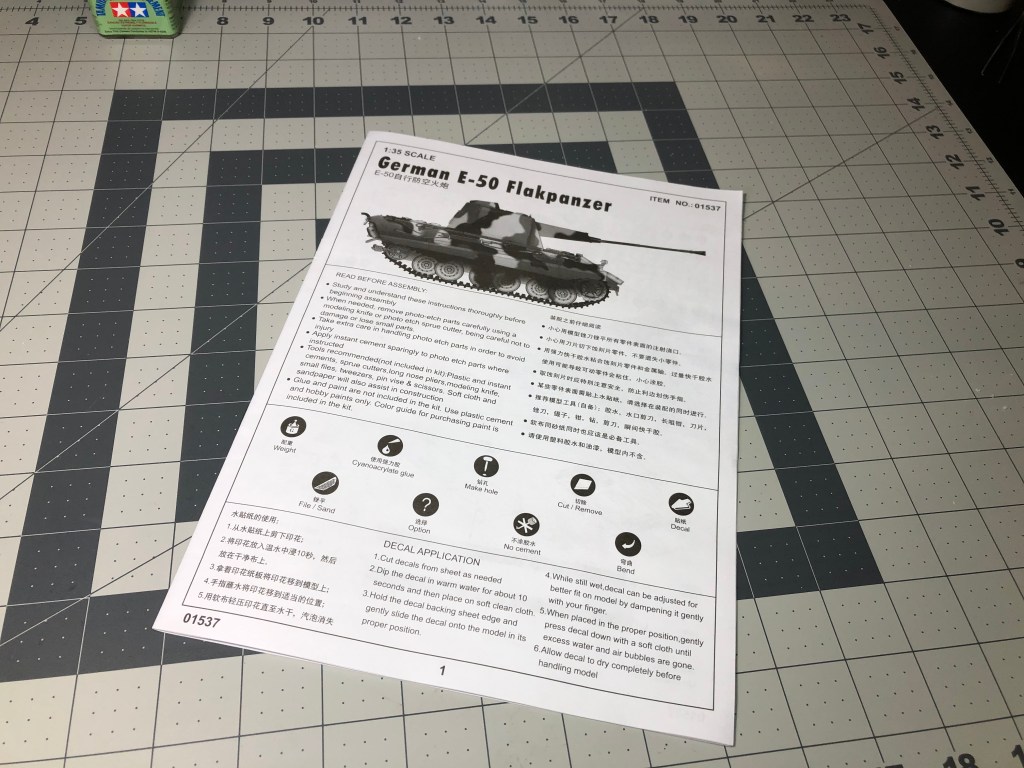
Instructions: 10/20

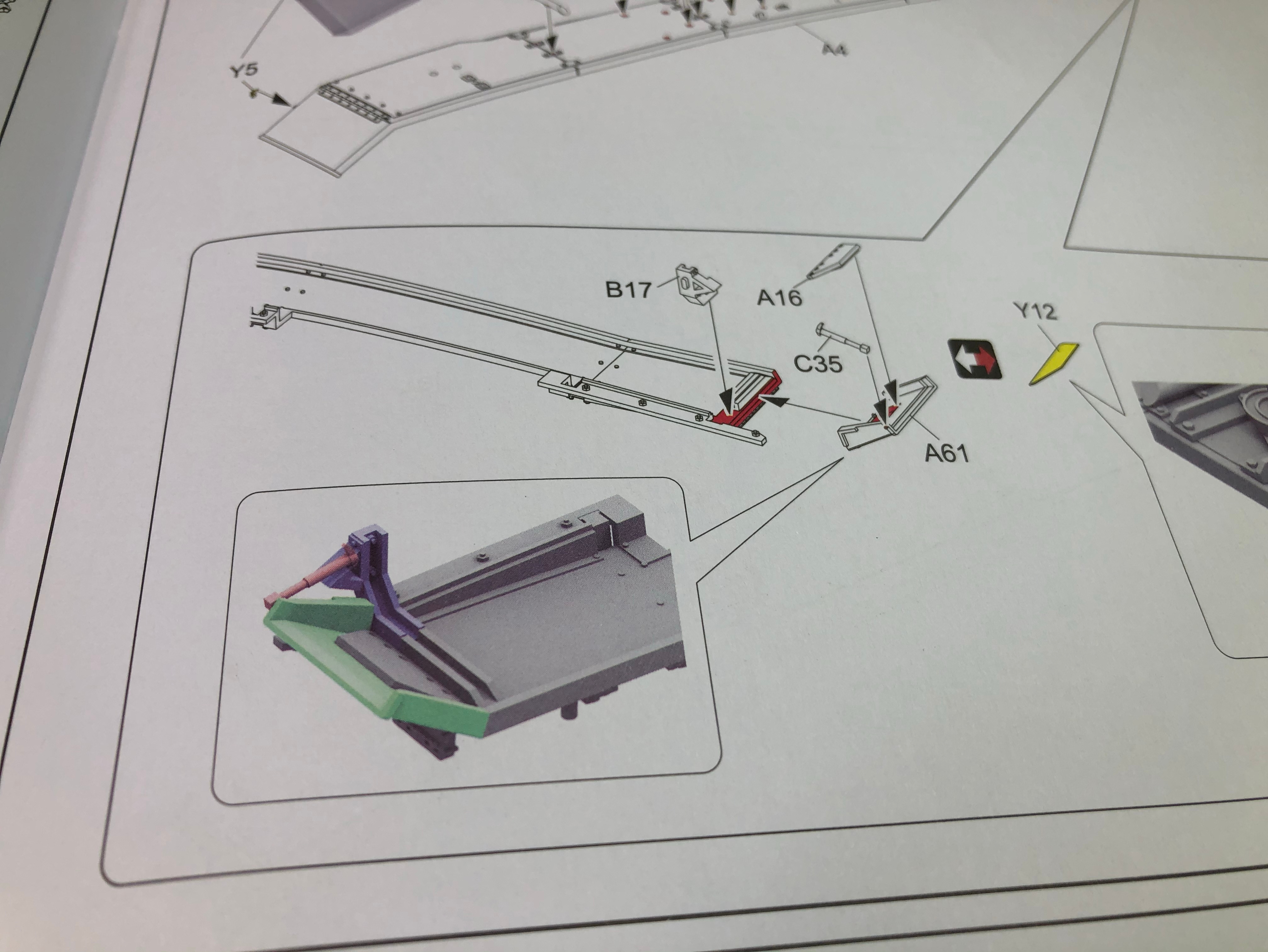
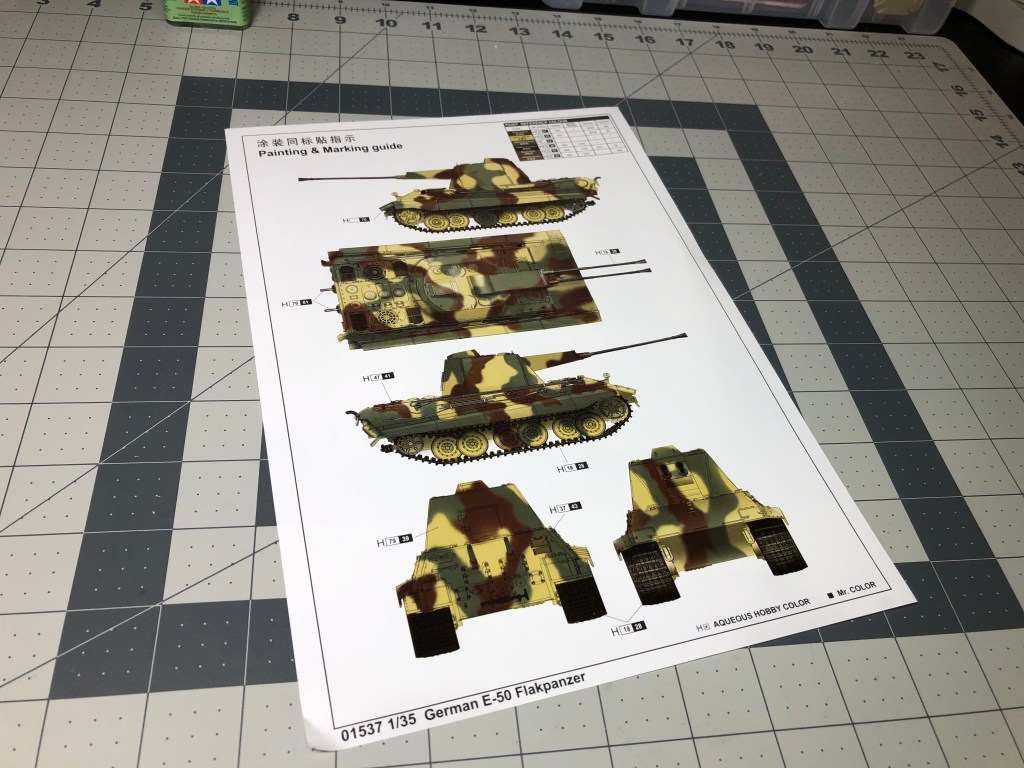
The instructions here are a bit strange and could have been clearer. To start, for some reason the second step is to glue the tracks together, even before completing the suspension assembly. To continue, the instructions do not clearly divide the steps during the construction phase making it easy to confuse parts to be added. It’s also worth mentioning that the instructions are very short at only 11 pages, evident of the low part count. In terms of the positives, Trumpeter does include a color profile of the box art although considering that no markings are included the usefulness of the colour profile is limited.

Miscellaneous: 4/10

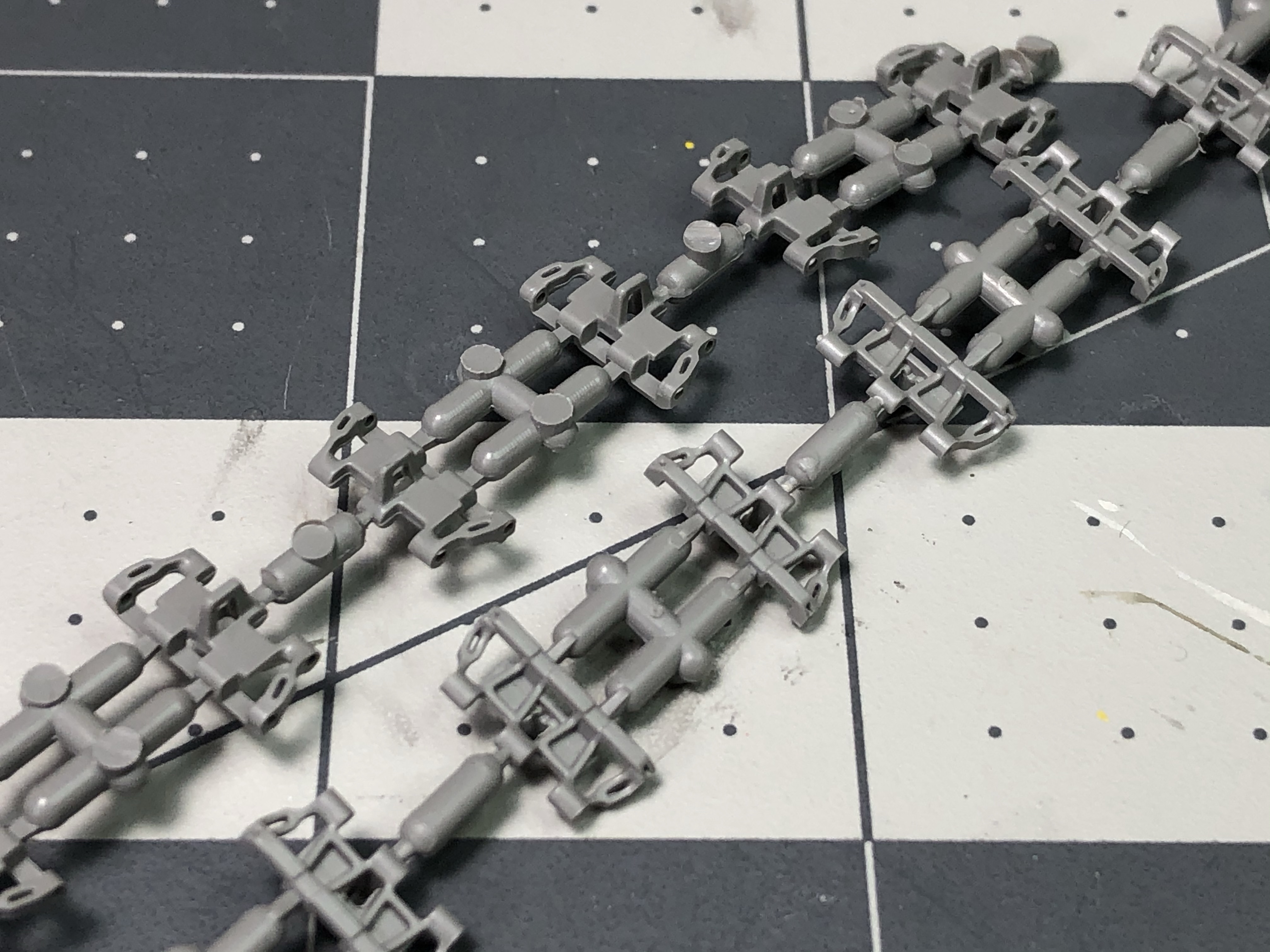
Seeing as the Flakpanzer only existed on paper, Trumpeter does not include decals for the kit. While this decision was understandable, at the very least the kit could have included various balkenkreuz for markings, giving the modeller a bit more freedom. Furthermore, the rubber tracks that were included were clearly deformed and will require significant work to straighten out.

Total: 53/100

It really pained me to give this kit such a low score, largely due to the fact that I’m a huge fan of the subject. For the build I’m already planning a list of accessories to add as it’s clear that OOB the kit has significant shortcomings.

Categories
Aircraft In Box Reviews

Tamiya Mosquito B Mk.IV/PR Mk.IV In Box Review

I managed to pick this Tamiya 1/48 Mosquito for around $45 CAD and despite the kit’s age I’m very happy with the purchase. I’ve never built a Mosquito (or any British fighter before) and made the safe choice to go with Tamiya. Initial impressions are pretty favorable, with crisp styrene and minimal flash present. It comes with three unique variants including a electric blue option.

Kit features: 12/20

Tamiya’s offering is pretty bare bones when it comes to kit features, offering not a lot more than decals and clear parts. One benefit of the kit is allowing the option to model the PR Mk.IV reconnaissance version of the Mosquito in addition to the standard Mk.IV version. In terms of armament, the kit not only includes bombs but also rockets, should the modeler choose to include them. The kit however looses points for no photoetch parts or other accessories. This disadvantage is somewhat mitigated however due to the fact that at the time of the kit’s 1999 release inclusion of photoetched parts wasn’t super typical and not expected at the kit’s pricepoint.

Quality of Molding: 35/50

The Mosquito features nice recessed panel lines and rivet details as well as passable cockpit details. When compared to modern releases however, the kit doesn’t reach the same levels of detail. Again however this must be expected due to the kit’s age. The kit gains back some points due to the fact that the detail is adequate and fully capable of building a nice looking model. Detail is really only omitted in hard to find areas such as the gear bay. In terms of molding quality no flash can be found, requiring little cleanup.

Instructions: 11/20

The instructions are the real weak part of the kit and don’t offer a whole lot more than the bare minimum. Tamiya’s instructions include a large camouflage profile which should help during painting. The instructions are in typical Tamiya style, folded out paper with no coloring. The downside of the instructions are very clear when compared to the instructions found in Meng’s E2 which was also reviewed on this site. The instructions however, are quite clear and easy to understand – the only real requirement for a kit’s instructions.

Miscellaneous: 7/10

Three different finishing options and two different variants help the Mosquito’s score in this area and the decal quality looks good considering they were manufactured over 20 years ago.

Total: 65/100

Initial impressions of Tamiya’s Mk.IV Mosquito are good and I have full confidence that the kit will shape up into a good looking model. At $45 CAD the price-to-kit ratio is quite high, and you get a lot of plastic for you money. this kit would be an excellent place to start with resin accessories or even just build OOB.

Categories
Armor In Box Reviews

Meng M4A3E2 In Box Review

I’ve never built any American armor before and I’d be lying if I said I wasn’t a bit apprehensive about the subject. As somebody who feels at home building two and three tone german armor, making a olive drab Sherman would be a first for me. Building a E8 or a E2 has been on my “to-do” list for some time now and picked up Meng’s offering to take the plunge. My first impressions of the kit were quite favorable as it’s clear that the kit is very well built and detailed. With this great detail however came a cost, as I was able to get Meng’s kit for around $90 CAD.

Kit Features: 18/20

Meng doesn’t shy away with providing the modeller with a lot of extra goodies. A metal barrel, photoetched parts, single link tracks (as well as rubber ones). Beside these initial accessories, the kit also includes a lot of other small things that really help it’s score in this sense. A long barrel 76mm gun (without the muzzle break) is included along with photoetched numbering for the turret. The kit offers some stowage options in the form of spare road wheels, fuel cans, and ammo boxes. The kit however looses points in that no extra figures are provided and must be bought from a different manufacturer. When compared to Miniart’s Jeep previously reviewed, Meng’s Sherman misses out on a point here.

Quality of Molding: 49/50

Simply put, this E2 is the kit with the most detail I’ve ever seen. The detail in the molding of the hull and turret can be easily seen and the way Meng has finished the cast texture and weld seams is truly next level. The texture is extenuated by the serial numbers on the hull and turret. There is very little (if none) flash found on the parts requiring no cleanup besides the sprue leftovers. Detail can even be found on places not easily seen such as the bottom of the hull. The kit only looses points due to the fact that some people might find the detail overdone as in person the different surfaces are very obvious, photos don’t really do this kit justice.

Instructions: 18/20

The kit instructions are very well put together and even offer a little reading material in the preface about “Cobra King” the tank in the box art. They are well thought out and are straightforward as to what they ask the modeller to do. Additionally, the kit is very clear in when the modeller has a choice between various options such as the .50cal mounting options. The instructions indicate which parts are to be added by color coding effectively. Speaking of color, the instructions are printed in full color with five different views of the several finishing options found in the kit. Each finishing option gets it’s own page in the booklet. The instructions only lose points due to construction material.

Miscellaneous: 7/10

While the kit does come with a healthy 5 marking options the $90 CAD price cannot be ignored as at this price point many marking options are to be expected. The decals are nicely printed as well. Furthermore, the kit includes a jig for constructing the single link tracks which should make the process less labor intensive.

Total: 92/100

A very fair score for this kit, modest photoeched parts, no figures, and a hefty price tag balance out the insane detail found in this kit. Top tier kit for a top tier price.

Categories
Aircraft

Tamiya Mosquito B.MkIV (Part 1)

For my next project I wanted to go with something slightly large to gain more experience airbrushing. Seeing as I could get Tamiya’s 1999 Mk.IV Mosquito for a good price I decided to pull the trigger on it. I also wanted to use this kit as a “testbed” of sorts as I’ve also got Tamiya’s 1/48 He-219 “Uhu” on deck afterwards so I’ll need to have mastered the Sotar 20/20 by then to complete the Uhu’s complex camouflage pattern.

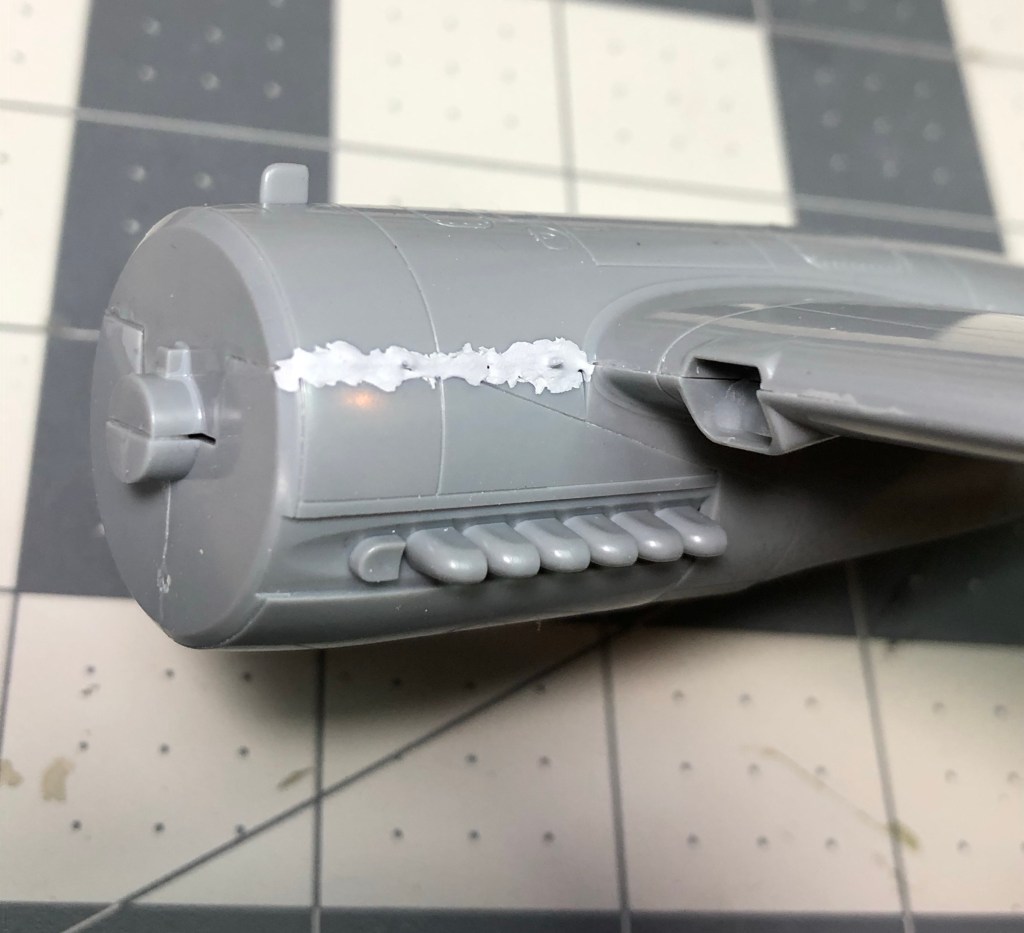
In terms of the build, It’s been on the bench for about a week now and I;m happy with how it’s going. I appreciate the fit and design of the Tamiya kit after completing Miniart’s Bantam. I took the liberty of filling out the exhaust holes however found that they cannot be easily seen after final engine assembly.

Most of the early construction has to do with building up the wings and cockpit as to be expected. I painted the interior parts with a mix of AK Grey Green and Intermediate Green with a single drop of Mr. Color leveling thinner. Paint was thinned in a rough 50/50 ratio with water. Thinned with Tamiya TS-13